I have always been interested in images. When I was younger, someone bought me The Observer’s Book of Painting and Graphic Art. It was part of a series including titles like The Observer’s Book of British Birds or The Observer’s Book of the Sea Shore. The cover had a painting by John Constable. A flock of sheep moving towards a distant corn field and a shepherd boy in a red waist coat, resting by the track. The pages of this pocket-sized book held of the works of artists I would come to love as I began to study Art and Design at school. Names like Hobbema, de Hooch and van der Weyden. Later, reading Mark Dotty’s book Still Life with Oysters and Lemon, I recognised how these silent images are ripe with human attachment and affection.
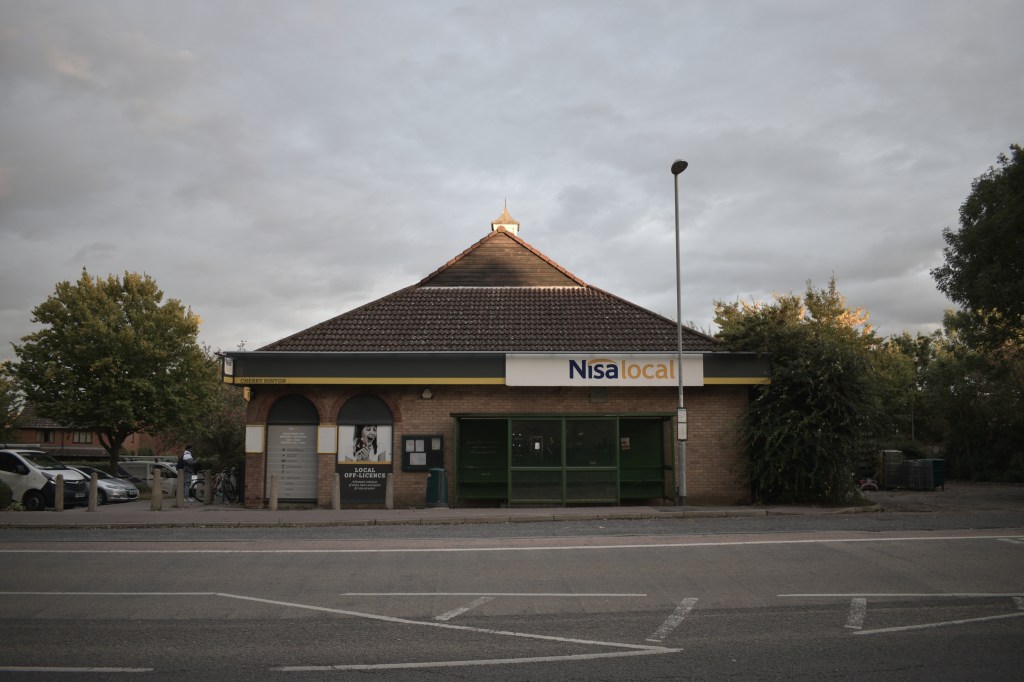
On the last night of Art School, we were in a pub. The Principal said to me something like “I don’t think we have seen what you truly want to do”. How true. Growing up in the suburbs, I see now how these unspectacular spaces could embroider patterns in the imagination. A late Spring sunset over rooftops. Blossom fall, like snow. Coming home in the dark. I had been collecting memories upon memories and ideas upon ideas. Only recently have I begun to use photography to make sense of these memories and to assemble ideas into images. Earlier in the year I visited places associated with the English painters John Constable and Thomas Gainsborough, on the Suffolk and Essex boarders. Museums, churches and landscapes. Spaces as ideas, and ideas as images. Among these places, John Constable talks of a simple devotion to the ordinary and commonplace.
 Andy Small
Leave a comment