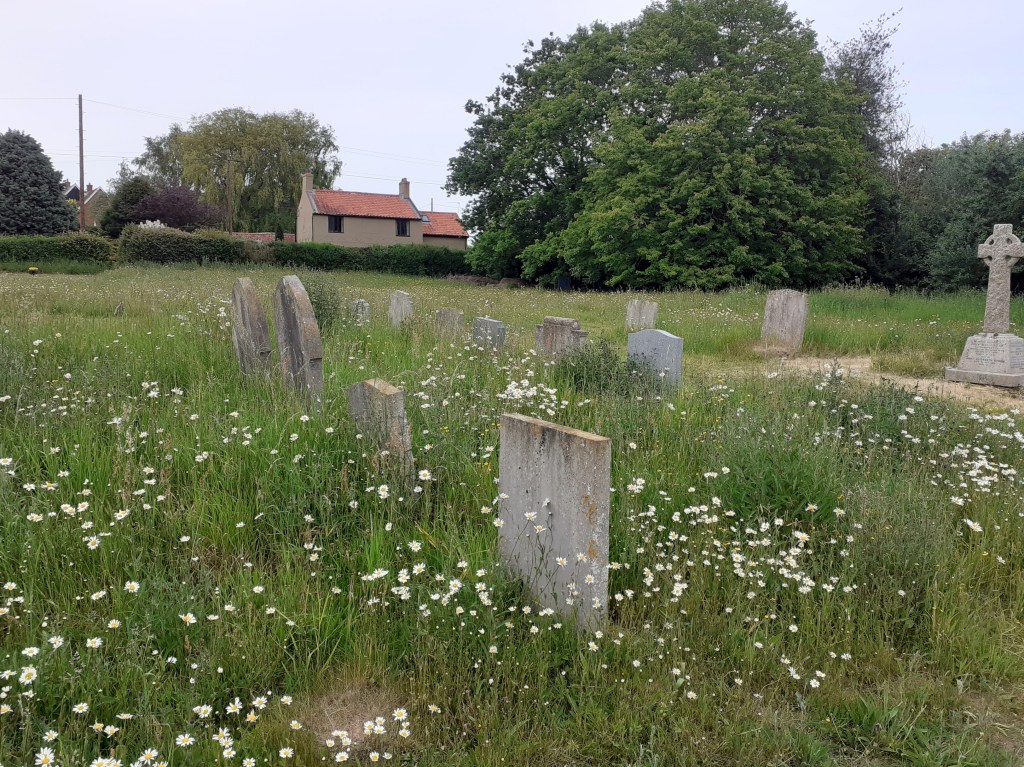
I am drawn towards cemeteries. Even in winter, through long wet grass or on slippery stone paths. Drawn out of the natural world, they are places for me which are both profound and simple. No longer unusual, not quite natural.
The white heads of daisies are like the rounds of lichen on headstones. Grass, flowers, trees, bushes and gravestones are woven in a quiet disorder. Eroded surfaces are encroached, and the churchyard is transformed like a kind of tapestry.

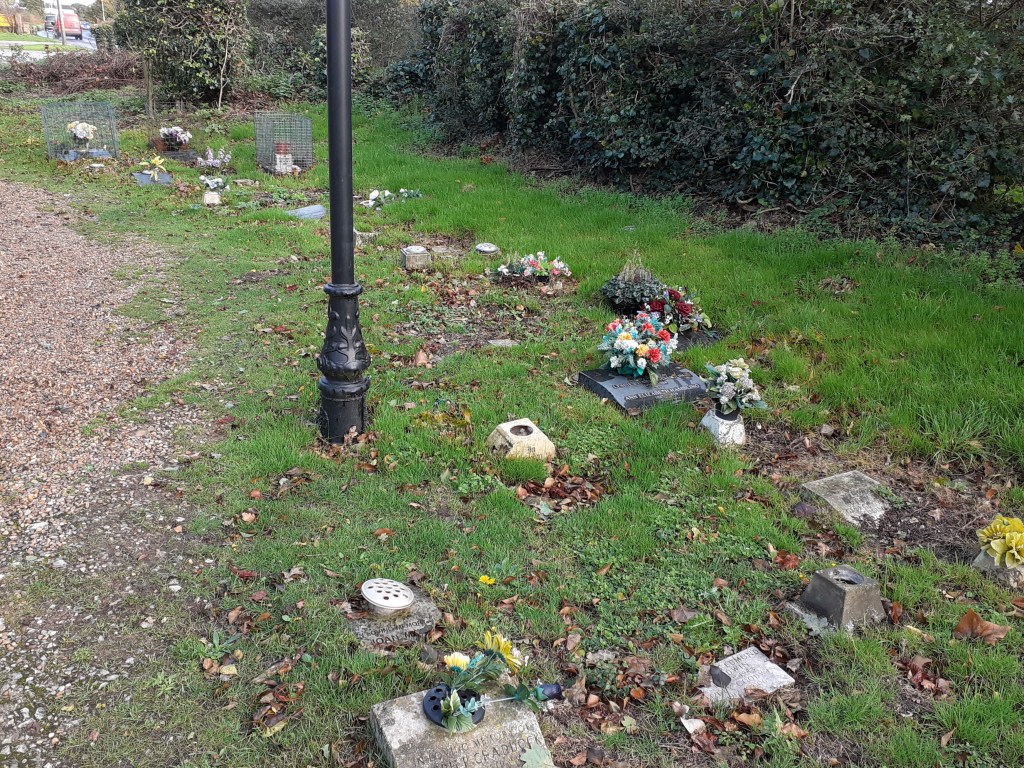
These are places where things are left. Words are left. I see the ground is strewn with mementos, flowers, windswept leaves, tyre tracks, gravel, stalks of daffodils.
I like the names of churches and I am gladdened by the sound of the words themselves. Edmund, Brevita, Rodney Stoke, Leonard, Hilda.
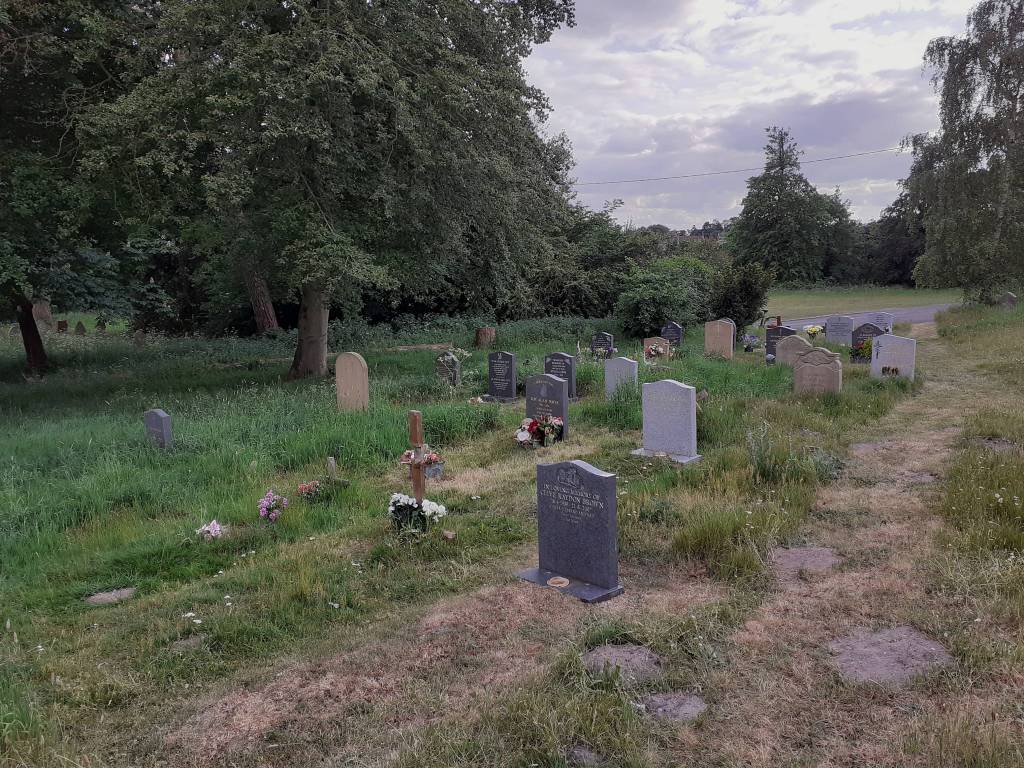
These cemeteries in Suffolk are not like the grand cemeteries in cities with swooping angels, dark mausoleums, weeping Marys’, cherubs clutching each other’s chubby wrists. They are demure, innocent, sometimes with eccentric barns or benches placed with no apparent view. Paths of flattened grass disappearing under a tree. From inside Southwold church on a winter afternoon, I think of the cemetery outside as branches scratch against the leaded windows.
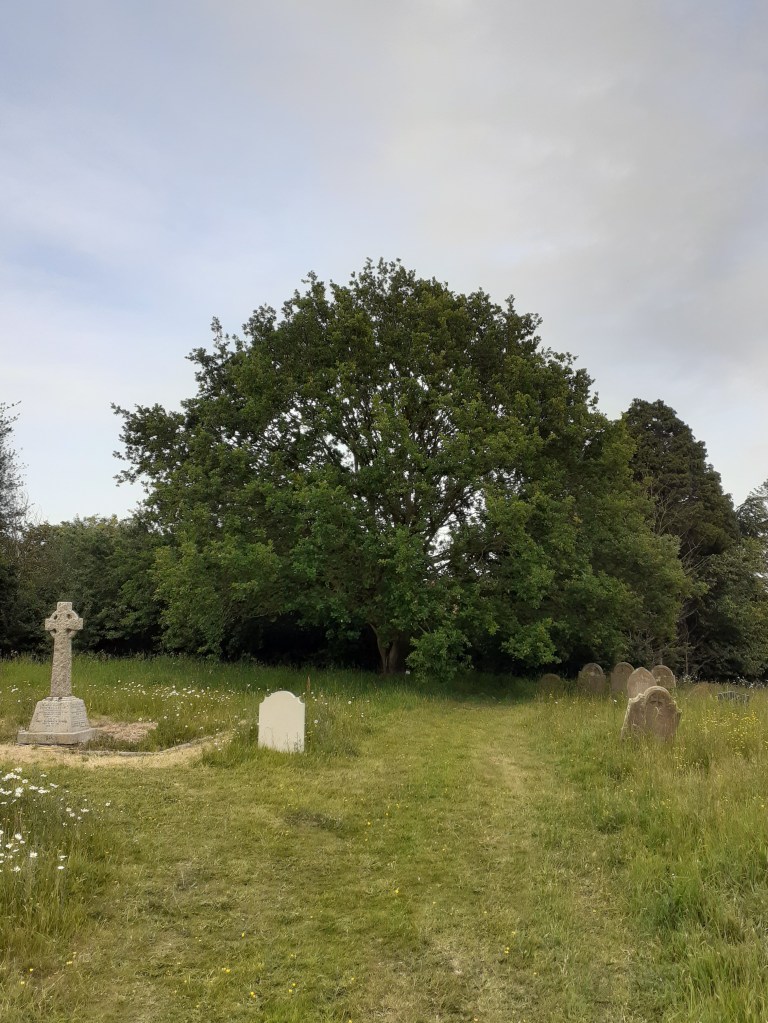
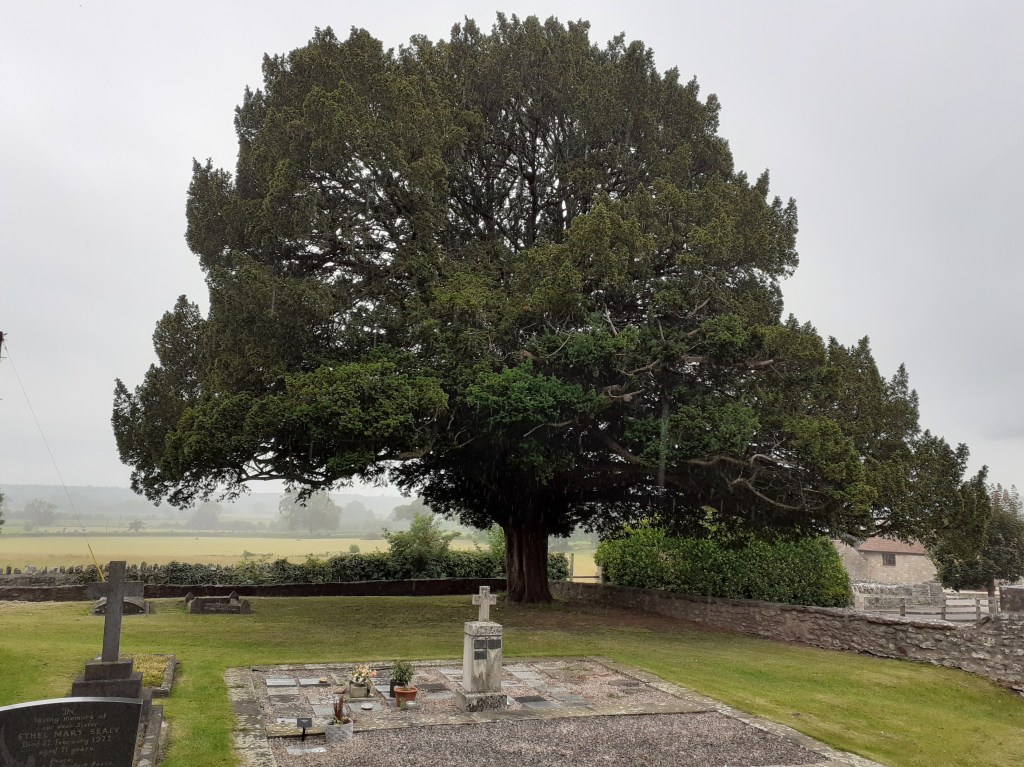
These enclosed spaces hold the muffled reverberations of the land around them. On a Summer afternoon in a churchyard on the Somerset levels, in a persistent, almost horizontal rain, one churchyard almost disolved into the landscape. A large tree soaking the moisture from the ground and the air, the impervious stone sinking, and in the distance, other trees and fields repeating the churchyard.
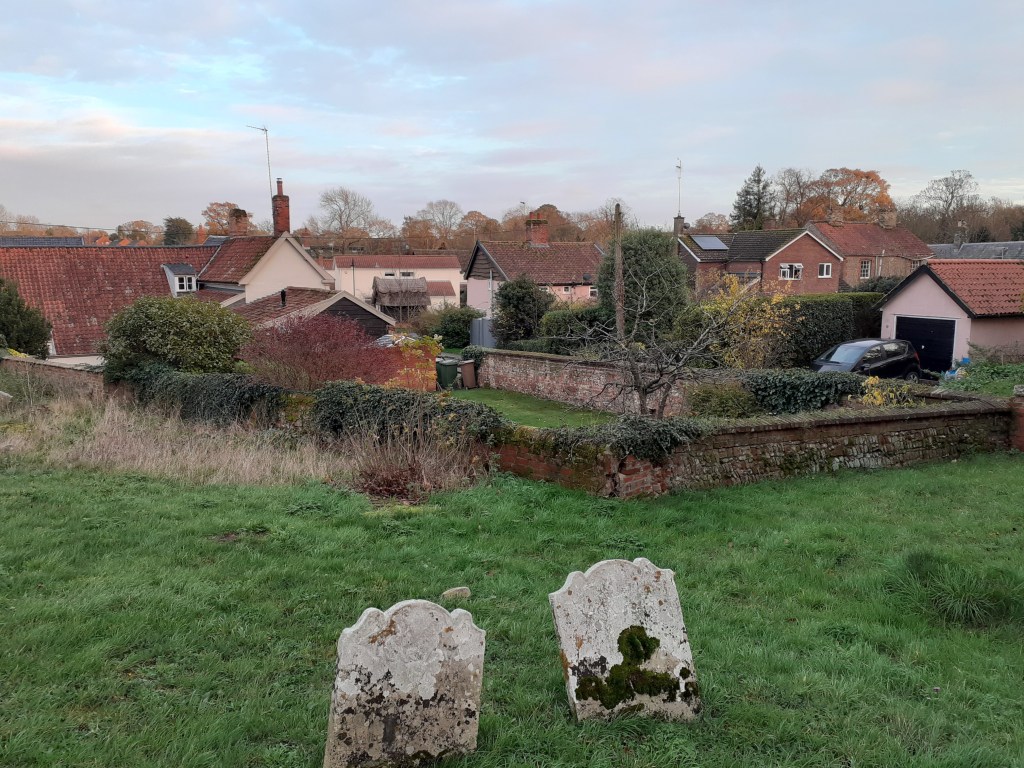
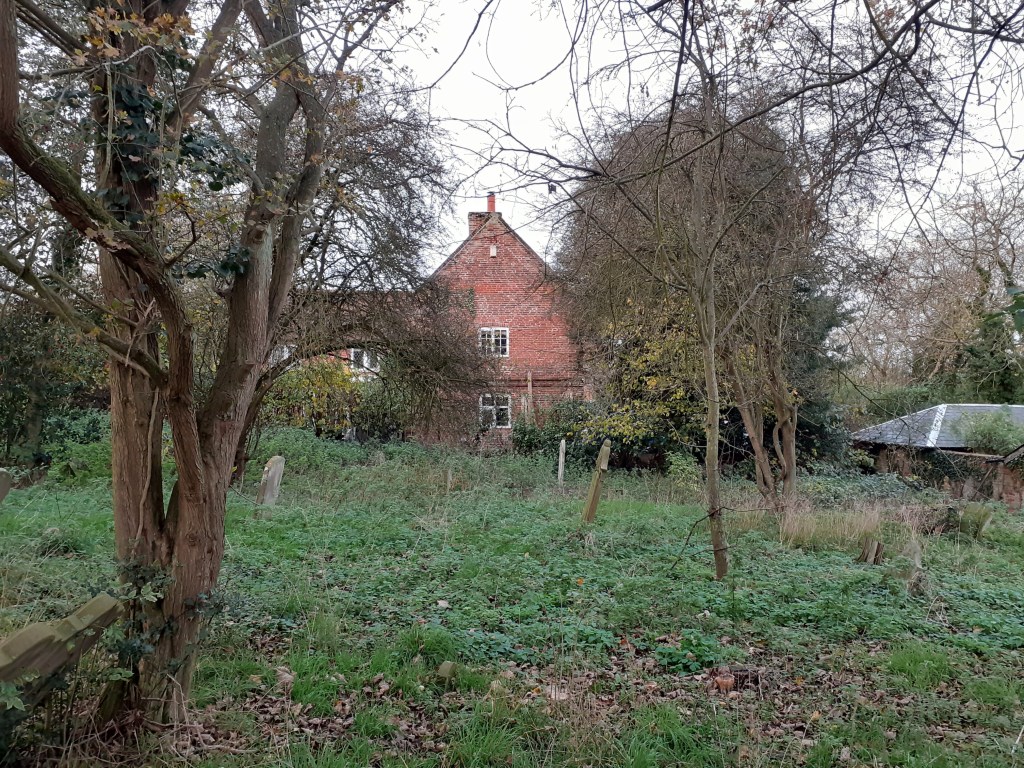
Refuge, retreat, resting place. What we can not see. What is veiled, or obscured. A vicarage is seen, through tangled undergrowth and across fallen headstones.


 Andy Small
Leave a comment